
Property Management in Pompano Beach and South Florida
Local, hands-on management for duplex, triplex, fourplex, and single-family owners. Faster leasing, stronger rents, and a property that's cared for.

What Every Landlord Wants
Everything we do is built around three goals.
01
The fastest tenant
Fewer vacant days through professional marketing and personal showings
02
The highest rent
Pricing based on real local data, not guesswork
03
A property that's cared for
Careful screening, required renter's insurance, and proactive maintenance
Why Owners Choose Us
10+ years in South Florida Real Estate
A licensed agent who knows rents, values and neighborhoods across Broward and Palm beach
Personal showings
Every prospective tenant meets us in person, not a lockbox code.
Tenant how-to videos
Short videos show tenants how to handle simple issues, which cuts down on unnecessary maintenance calls.
Troubleshooting before dispatch
We work through the problem with the tenant first, so you don't pay a pro to flip a breaker.
Required renter's liability insurance
Every tenant carries liability coverage, adding a layer of protection for your property.
A trusted vendor network
When you hire us, you also get the contractors, attorneys, and specialists we rely on.
Services and pricing
Choose leasing only, or let us handle everything.
Tenant Placement
First month's rent
Rent analysis and pricing
Professional photos and listing syndication
Tenant screening: credit, background, income, and rental history
Florida lease preparation and move-in inspection
Full Management
10% of monthly rent
Everything in Tenant Placement
Online rent collection and monthly owner statements
Maintenance coordination and troubleshooting
Routine property inspections
Lease renewals, notices, and eviction coordination
24/7 owner portal through Rentvine
Who we serve
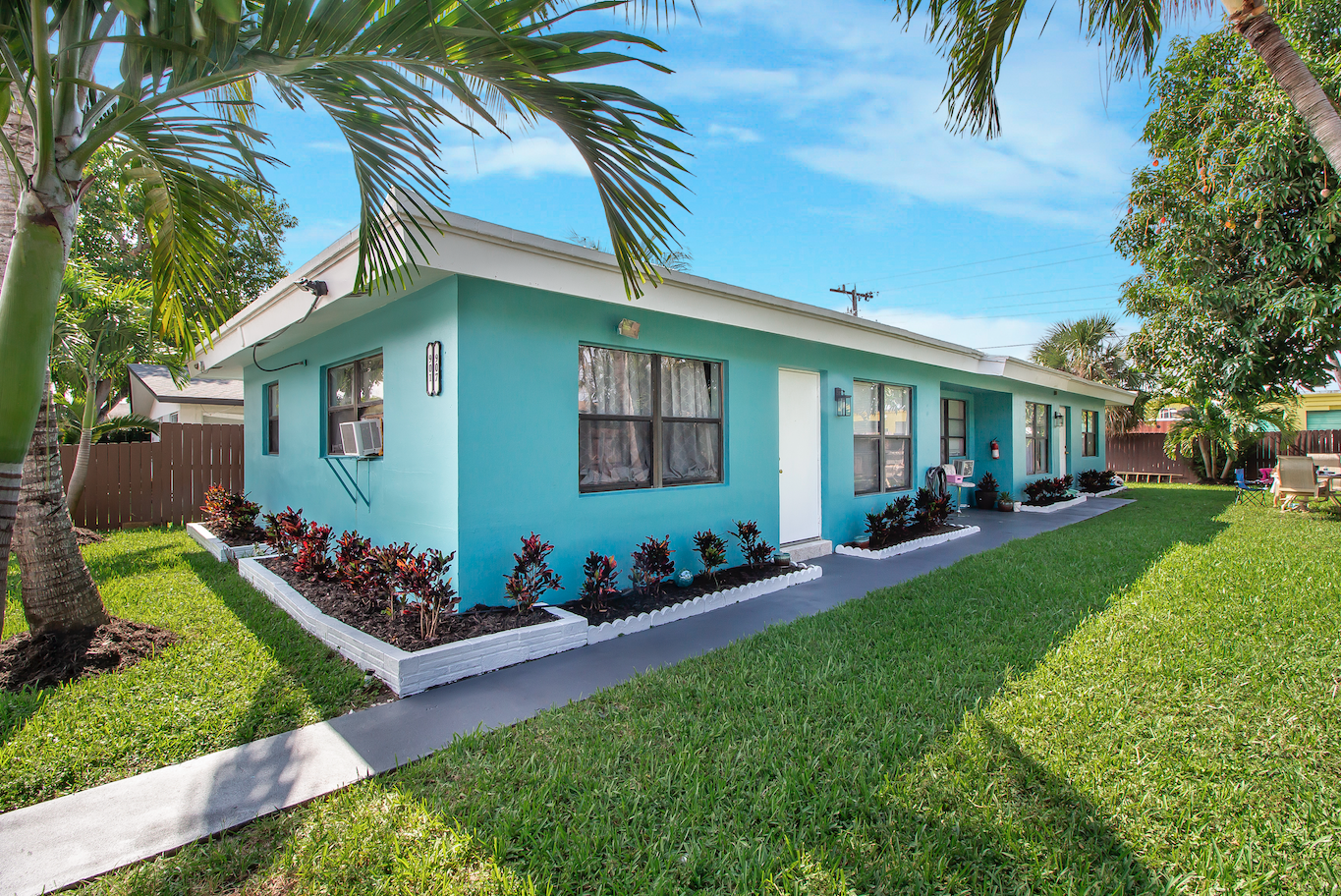
We specialize in small multifamily properties of 2 to 4 units, and we also manage single-family rentals.
Many of our owners live out of state or inherited their property. You get updates, statements, and documents online, with a local professional handling everything on the ground.
STILL NOT SURE?
Frequently Asked Questions
How much does property management cost in Pompano Beach?
Tenant placement is a one-time fee of one month's rent. Full management is 10% of the monthly rent.
Do you manage single-family homes or only multifamily?
Lorem ipsum dolor sit amet, consectetur adipisicing elit. Autem dolore, alias, numquam enim ab voluptate id quam harum ducimus cupiditate similique quisquam et deserunt, recusandae.
How do you screen tenants?
Lorem ipsum dolor sit amet, consectetur adipisicing elit. Autem dolore, alias, numquam enim ab voluptate id quam harum ducimus cupiditate similique quisquam et deserunt, recusandae.
I live out of state. Can you still manage my property?
Lorem ipsum dolor sit amet, consectetur adipisicing elit. Autem dolore, alias, numquam enim ab voluptate id quam harum ducimus cupiditate similique quisquam et deserunt, recusandae.
Do you manage condo or HOA associations?
Describe the item or answer the question so that site visitors who are interested get more information. You can emphasize this text with bullets, italics or bold, and add links.
What's the difference between tenant placement and full management?
Tenant placement covers pricing, marketing, showings, screening, and the lease. After move-in, you manage the property yourself. Full management covers all of that plus rent collection, maintenance, inspections, renewals, and owner statements.
How do you screen tenants?
We screen through RentSpree. Every adult 18 and older who will live in the home completes an application and provides proof of income, along with a background check and an eviction history report. We apply the same criteria to every applicant.
How quickly can you lease my property?
It depends on price, condition, and the season. Accurate pricing, professional marketing, and personal showings are how we keep vacant days to a minimum. Your rent analysis will include a realistic timeline.
Do tenants need renter's insurance?
Yes. Every tenant must carry renter's liability insurance before move-in.
How do I get paid and track my property?
Rent is collected online, and your statements, documents, and maintenance updates are available anytime in your Rentvine owner portal.
Can you help me sell my rental property?
Yes. As a licensed real estate agent, we can show you what your property is worth with tenants in place or vacant, and handle the sale when you're ready.
READY TO GIVE US A TRY?
Find out what your rental should earn
Get a free rent analysis for your property, with no obligation.
Blog
What Does Contingent Mean on a House Listing?
A contingent listing means the seller has accepted an offer, but the sale isn't final yet. One or more conditions, called contingencies, have to be satisfied before the deal can move to closing. Until those conditions are met, the sale can still fall through.
Think of it as a conditional yes. Both sides have agreed in principle, but specific requirements still need to be fulfilled. If you're the buyer, your agent will be tracking those conditions and keeping things on schedule. If you're the seller, this is the stage where patience matters — the deal isn't done until it's done. If a contingency isn't met, the buyer typically has the right to walk away, often with their earnest money returned.
Common Types of Contingencies
Inspection Contingency: The buyer schedules a professional home inspection. If significant issues turn up, the two sides can negotiate repairs, a price reduction, or the buyer can back out. According to the National Association of REALTORS®, about 82% of buyers include a home inspection contingency — so if you're buying, this is worth building into your offer, and if you're selling, expect it.
Financing (Mortgage) Contingency: The sale depends on the buyer getting approved for a mortgage. If the lender denies financing, the buyer can cancel without penalty.
Appraisal Contingency: Requires the home to appraise at or above the agreed purchase price. If it appraises low, the buyer can renegotiate the price or walk away.
Home Sale Contingency: The buyer needs to sell their current home before closing on the new one. This is common, but it can stretch out the timeline — something to factor in if you're a seller comparing offers.
During the contingent stage, some sellers keep accepting backup offers in case the primary deal doesn't close. If you're selling, this is a conversation worth having with your agent — it can be a smart safety net depending on your situation.
What Does Pending Mean in Real Estate?
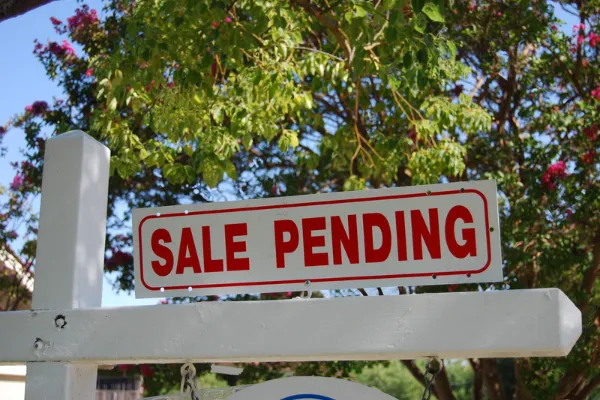
A pending listing means every contingency has been cleared and the sale is in its final stages. The property is essentially off the market. What's left — final mortgage approval, the title search, escrow, and closing paperwork — is largely procedural.
Most pending sales close without a hitch, but last-minute complications can still pop up. Financing hiccups or title issues occasionally surface even in the final stretch, which is why a good agent stays engaged with the lender, title company, and both sides all the way to the closing table — even once the hard part looks finished.
Types of Pending Statuses
Pending – Taking Backup Offers: The seller is still open to backup offers in case the current deal falls apart.
Pending – Short Sale: The sale needs lender approval before it can close, which can add significant time to the process.
Pending – Do Not Show: The seller is confident the deal will close and has stopped accepting showings or new offers.
Pending – More Than 4 Months: A listing pending for over four months may signal complications — or it may just mean the MLS status hasn't been updated since closing. If you're watching a listing like this, it's worth asking your agent what's actually going on.
Sale Pending vs. Contingent: What to Expect at Each Stage
Knowing the difference between pending and contingent isn't just insider knowledge — it changes what you should expect, and when.
During a Contingent Sale
This stage is the most active. Deadlines are being tracked, inspectors and lenders and appraisers are all in motion, and there's still real risk the deal could change or fall through. If you're the buyer, stay responsive — delays on your end can jeopardize your contingency deadlines. If you're the seller, this is when your agent should be keeping you posted and helping you think through whether backup offers make sense for your situation.
During a Pending Sale
Once a listing goes pending, the heavy negotiating is behind you and the focus shifts to closing logistics — financing confirmation, title work, and paperwork. It's a quieter stage, but not a completely passive one. Staying reachable and responsive to your agent's requests during this window is still the best way to protect a smooth, on-time closing.
Have questions about where your sale or purchase stands? Reach out anytime — I'm happy to walk you through exactly what stage you're in and what to expect next.

Feel Free to Contact Us
Links
© Copyright 2026. Hansel Duran LLC.
All rights reserved.